
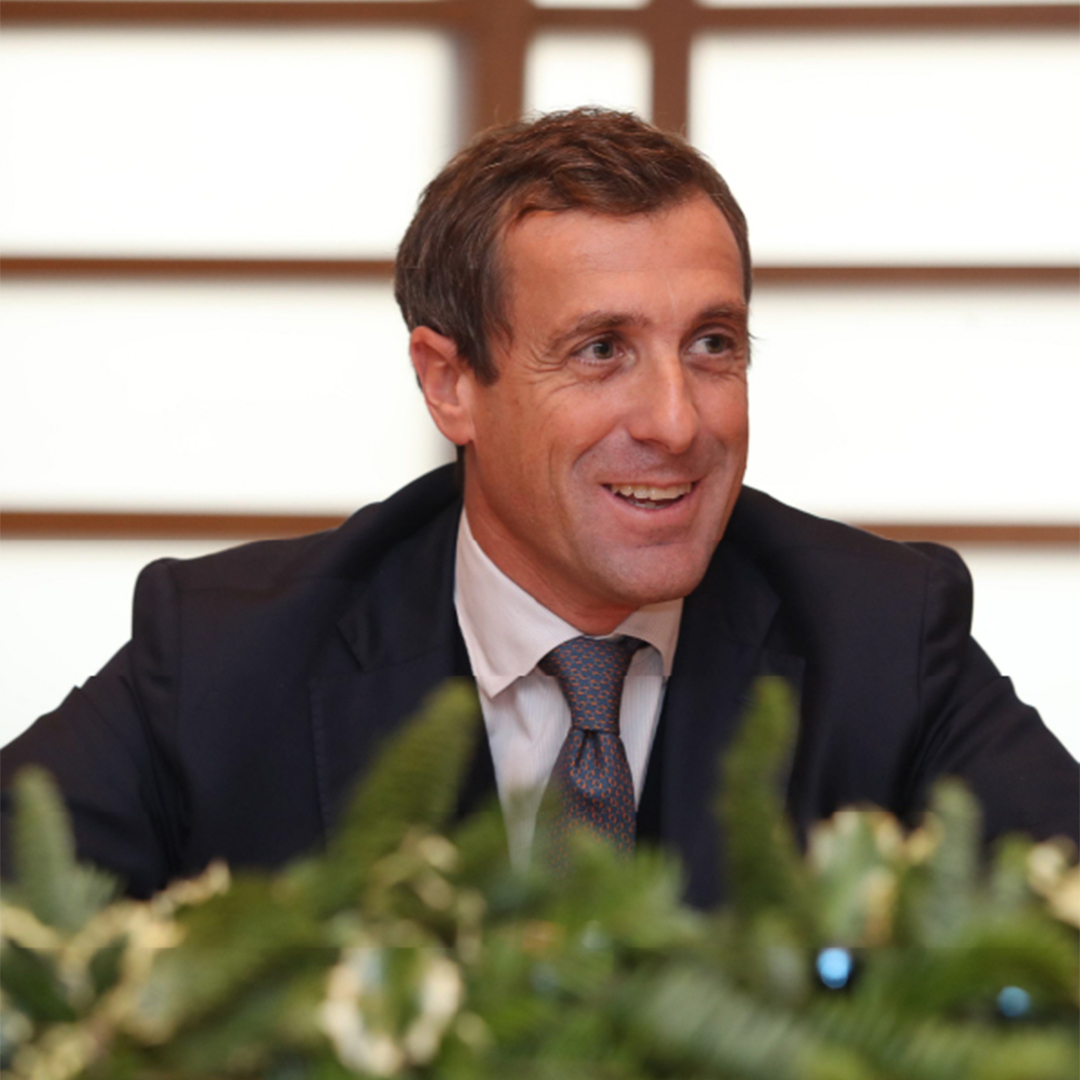
The Milano-Cortina Winter Olympics are already in full swing, and the FIFA World Cup in Canada, Mexico, and the United States is appearing on the horizon. Major events that go beyond sport and media visibility: they transform territories, leave behind permanent infrastructure, generate social value, and inspire new generations. We discuss this with Giovanni Valentini, Chief Revenue & Marketing Officer of the FIGC, to understand what truly remains once the spotlight fades.
“What is the main challenge when organizing a major sporting event?
Major events truly work only if they leave a lasting mark. Media visibility is fundamental—broadcasting rights are the engine that brings sporting achievements to the world—but on its own, it is not enough. The real game is played on the legacy for the territory: infrastructure and services must be designed from the very beginning with the post-event phase in mind. A venue cannot be built as a ‘cathedral in the desert’; it must be a living, usable space that is sustainable over time. “This is why sustainability is not a trend but an evergreen: it means creating a concrete and lasting benefit for those who inhabit that territory every day.
How much does the involvement of local communities matter when planning a major event?
It is at the very core. The local area should not just undergo the change, but feel like a part of the project. Collaboration with institutions and citizens is essential, because those works will ultimately belong to them. “And when there is collective endorsement, the project is accepted and truly valued. Milano-Cortina is a case in point: certain infrastructures were shared with the communities from the very beginning, and today they are reaping tangible benefits.
What kind of social impact do major events generate?
Massive. They draw people to sport, especially the younger generations. The Olympics, for example, shine a spotlight on disciplines that receive little visibility during the rest of the year. A single medal is enough to spark emulation: suddenly, everyone wants to take up fencing, rowing, or skiing. Victories are a powerful engine for participation and positive values.
How do you keep public engagement alive beyond major events?
“As mentioned, victories are a huge help, but today they are not enough. The average fan’s attention span has shortened; we all have a second screen in hand. This makes it necessary to tell the story of sport differently, blending it with other worlds: music, cinema, or even influencers to reach those who are not ‘pure’ fans.
Old and new communication tools: how do they coexist?
“The challenge is making them speak to one another. Social media has become the thermometer for communication campaigns, but it doesn’t replace traditional channels. I’m thinking, for instance, of the Football Museum in Coverciano, which remains a physical space for storytelling, memory, and emotion. Today, however, even a museum must be reimagined for the modern age: it’s not just a place to visit, but to live and share. People want an experience; they want to take a photo and tell their story. Iconic spaces, installations, and visual content thus become a bridge between the physical and digital worlds, making people feel part of a wider community.
And what about new technologies like AI?
Artificial Intelligence is an incredibly powerful tool for content, with an impressive quality of imagery. We recently used it to create a greeting video for our fans that played on a key concept: technology can create almost anything, but it cannot invent fan passion. Without the presence of people—in the stands, in front of the screen, within the communities—sport loses its most authentic meaning.