
Fairy tales, metaphors, and everyday objects
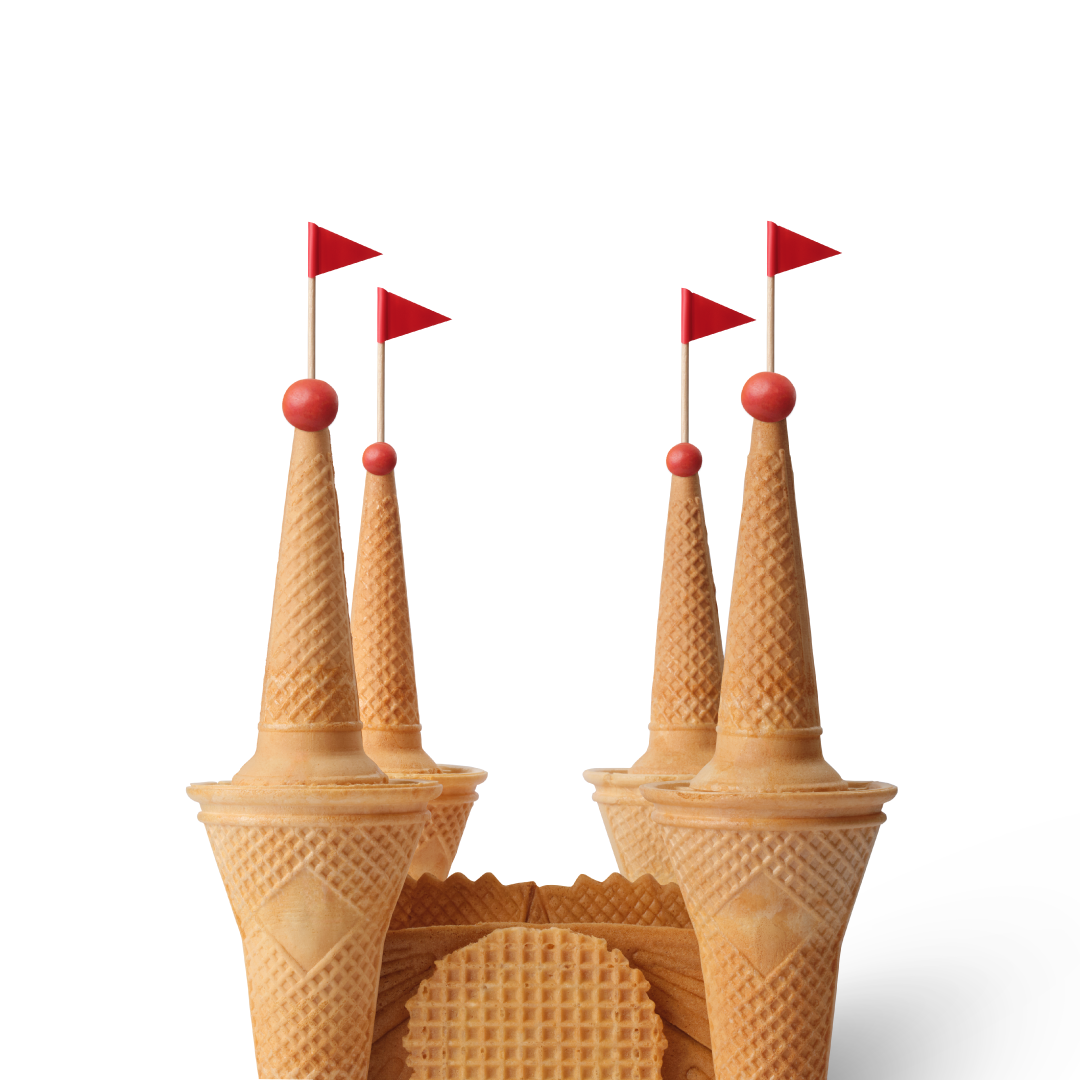
Castello Articolo

Calendarea is the editorial project through which Inarea has been telling time for thirty-five years using metaphorical images. It is not a simple calendar, but a narrative device: twelve images that distill visions, intuitions, and a design methodology. A serial story that uses photography and composition as a critical language, capable of interpreting the spirit of the time and transforming it into shared imagination (discover the calendars). Why a physical calendar in a dematerialized age? Antonio Romano: It is an analog witness to an increasingly dematerialized world. It is almost an act of resistance! People need to recognize themselves in something: the secret of Calendarea lies in bringing together objects that seem incoherent, which—once recomposed—become familiar. It is a child’s game that also manages to surprise adults. And then, after so many years, it has become something to collect. For many, the calendar is an eagerly awaited story—so much so that I’ve become “the calendar guy”! Why do metaphorical images work? Because they start from what we already know. It’s the same mechanism that makes the narratives of Alessandro Barbero and Aldo Cazzullo so effective: they deal with familiar, recognizable themes, but break them apart and explore them in depth, giving us back the pleasure of understanding. Calendarea’s images work in the same way, with one decisive addition: irony. There is always a playful, almost childlike dimension that invites a game of recognition. Everyday objects, recomposed in unexpected ways, generate surprise and lightness, encouraging openness and a deeper reading. They attract us because they are familiar, make us smile because of how they are constructed, and only then invite a more lateral, slower, more conscious gaze. Without surprise, however, they would be mere descriptions—and they would not engage us. The theme for 2026 is fairy tales: why? We need hope. Just saying the word “fairy tales” makes eyes light up. We are living in dark times, and there seems to be little reason to believe they will improve anytime soon. Fairy tales therefore become a refuge—but also a truth: fairy tales are true, because they speak of the dreams that keep us alive. This is why we turned to Italo Calvino: fairy tales contain deep, universal truths that explore essential themes, revealing fundamental aspects of everyone’s lived experience. They are a form of storytelling, a kind of cinema that brings together different arts and shows reality through fiction. Which subjects do you love most in this calendar? Following every step—from concept to drawing, from mock-up to photography, from post-production to page layout—I can’t really have favorites: in a way, they are all “children”… Over thirty-five years of calendars you’ve created more than 400 images. How do you imagine the future of these images? It’s a question we often ask ourselves: how to make the most of—and renew—such a vast and creative image archive. There always needs to be a connection between the subjects and current events. A few years ago, we experimented with a newsletter that linked a Calendarea image to a news event of the day, and it worked very well (discover Imaginarea Daily). The next step will be to involve the audience more, making the narrative less one-directional. The images are there—we just need to keep them alive. Read also: Monica SolimenoReflections and behind the scenes of the Inarea Calendar
When sport leaves a tangible legacy

Figc Giovanni Valentini Immagine Newsletter Inarea 1

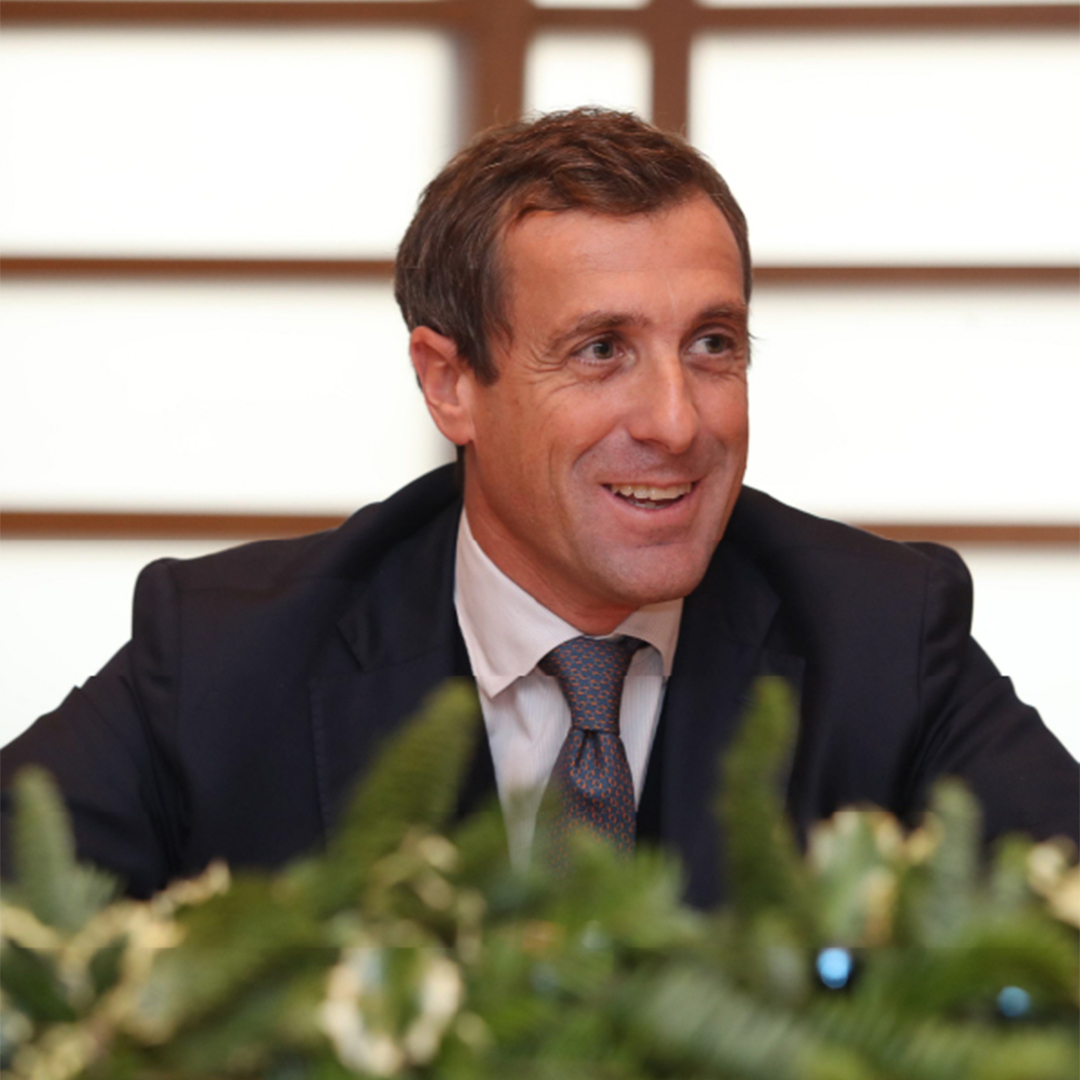
The Milano-Cortina Winter Olympics are already in full swing, and the FIFA World Cup in Canada, Mexico, and the United States is appearing on the horizon. Major events that go beyond sport and media visibility: they transform territories, leave behind permanent infrastructure, generate social value, and inspire new generations. We discuss this with Giovanni Valentini, Chief Revenue & Marketing Officer of the FIGC, to understand what truly remains once the spotlight fades. “What is the main challenge when organizing a major sporting event? Major events truly work only if they leave a lasting mark. Media visibility is fundamental—broadcasting rights are the engine that brings sporting achievements to the world—but on its own, it is not enough. The real game is played on the legacy for the territory: infrastructure and services must be designed from the very beginning with the post-event phase in mind. A venue cannot be built as a ‘cathedral in the desert’; it must be a living, usable space that is sustainable over time. “This is why sustainability is not a trend but an evergreen: it means creating a concrete and lasting benefit for those who inhabit that territory every day. How much does the involvement of local communities matter when planning a major event? It is at the very core. The local area should not just undergo the change, but feel like a part of the project. Collaboration with institutions and citizens is essential, because those works will ultimately belong to them. “And when there is collective endorsement, the project is accepted and truly valued. Milano-Cortina is a case in point: certain infrastructures were shared with the communities from the very beginning, and today they are reaping tangible benefits. What kind of social impact do major events generate? Massive. They draw people to sport, especially the younger generations. The Olympics, for example, shine a spotlight on disciplines that receive little visibility during the rest of the year. A single medal is enough to spark emulation: suddenly, everyone wants to take up fencing, rowing, or skiing. Victories are a powerful engine for participation and positive values. How do you keep public engagement alive beyond major events? “As mentioned, victories are a huge help, but today they are not enough. The average fan’s attention span has shortened; we all have a second screen in hand. This makes it necessary to tell the story of sport differently, blending it with other worlds: music, cinema, or even influencers to reach those who are not ‘pure’ fans. Old and new communication tools: how do they coexist? “The challenge is making them speak to one another. Social media has become the thermometer for communication campaigns, but it doesn’t replace traditional channels. I’m thinking, for instance, of the Football Museum in Coverciano, which remains a physical space for storytelling, memory, and emotion. Today, however, even a museum must be reimagined for the modern age: it’s not just a place to visit, but to live and share. People want an experience; they want to take a photo and tell their story. Iconic spaces, installations, and visual content thus become a bridge between the physical and digital worlds, making people feel part of a wider community. And what about new technologies like AI? Artificial Intelligence is an incredibly powerful tool for content, with an impressive quality of imagery. We recently used it to create a greeting video for our fans that played on a key concept: technology can create almost anything, but it cannot invent fan passion. Without the presence of people—in the stands, in front of the screen, within the communities—sport loses its most authentic meaning.

Pubblicato da Inarea Identity Design | Privacy Policy
Ultimo aggiornamento: 2026-02-16