
Fairy tales, metaphors, and everyday objects
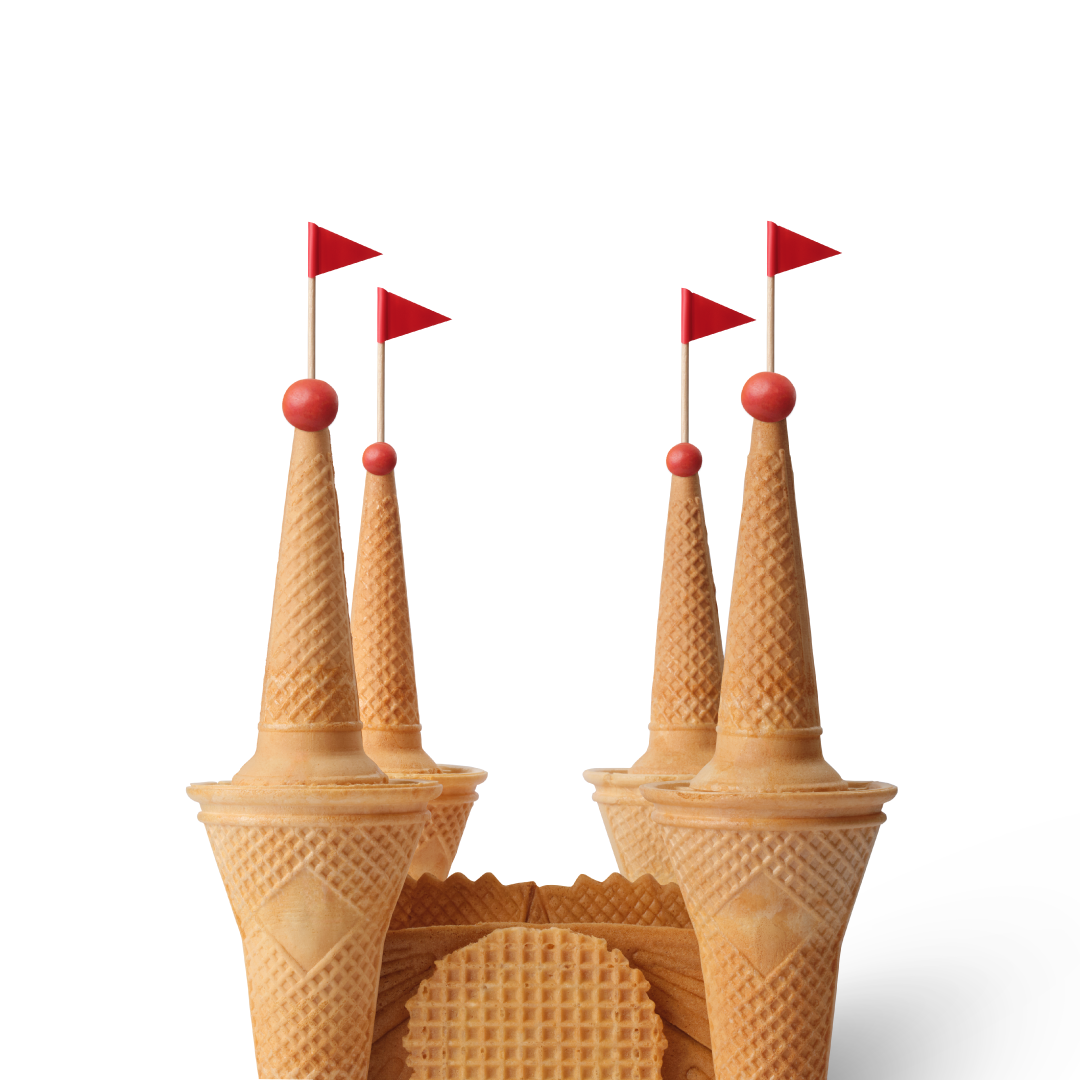
Calendarea is the editorial project through which Inarea has been telling time for thirty-five years using metaphorical images. It is not a simple calendar, but a narrative device: twelve images that distill visions, intuitions, and a design methodology. A serial story that uses photography and composition as a critical language, capable of interpreting the spirit of the time and transforming it into shared imagination (discover the calendars). Why a physical calendar in a dematerialized age? Antonio Romano: It is an analog witness to an increasingly dematerialized world. It is almost an act of resistance! People need to recognize themselves in something: the secret of Calendarea lies in bringing together objects that seem incoherent, which—once recomposed—become familiar. It is a child’s game that also manages to surprise adults. And then, after so many years, it has become something to collect. For many, the calendar is an eagerly awaited story—so much so that I’ve become “the calendar guy”! Why do metaphorical images work? Because they start from what we already know. It’s the same mechanism that makes the narratives of Alessandro Barbero and Aldo Cazzullo so effective: they deal with familiar, recognizable themes, but break them apart and explore them in depth, giving us back the pleasure of understanding. Calendarea’s images work in the same way, with one decisive addition: irony. There is always a playful, almost childlike dimension that invites a game of recognition. Everyday objects, recomposed in unexpected ways, generate surprise and lightness, encouraging openness and a deeper reading. They attract us because they are familiar, make us smile because of how they are constructed, and only then invite a more lateral, slower, more conscious gaze. Without surprise, however, they would be mere descriptions—and they would not engage us. The theme for 2026 is fairy tales: why? We need hope. Just saying the word “fairy tales” makes eyes light up. We are living in dark times, and there seems to be little reason to believe they will improve anytime soon. Fairy tales therefore become a refuge—but also a truth: fairy tales are true, because they speak of the dreams that keep us alive. This is why we turned to Italo Calvino: fairy tales contain deep, universal truths that explore essential themes, revealing fundamental aspects of everyone’s lived experience. They are a form of storytelling, a kind of cinema that brings together different arts and shows reality through fiction. Which subjects do you love most in this calendar? Following every step—from concept to drawing, from mock-up to photography, from post-production to page layout—I can’t really have favorites: in a way, they are all “children”… Over thirty-five years of calendars you’ve created more than 400 images. How do you imagine the future of these images? It’s a question we often ask ourselves: how to make the most of—and renew—such a vast and creative image archive. There always needs to be a connection between the subjects and current events. A few years ago, we experimented with a newsletter that linked a Calendarea image to a news event of the day, and it worked very well (discover Imaginarea Daily). The next step will be to involve the audience more, making the narrative less one-directional. The images are there—we just need to keep them alive. Read also: Monica SolimenoReflections and behind the scenes of the Inarea Calendar